Archives
- 2026-07
- 2026-06
- 2026-05
- 2026-04
- 2026-03
- 2026-02
- 2026-01
- 2025-12
- 2025-11
- 2025-10
- 2025-09
- 2025-03
- 2025-02
- 2025-01
- 2024-12
- 2024-11
- 2024-10
- 2024-09
- 2024-08
- 2024-07
- 2024-06
- 2024-05
- 2024-04
- 2024-03
- 2024-02
- 2024-01
- 2023-12
- 2023-11
- 2023-10
- 2023-09
- 2023-08
- 2023-06
- 2023-05
- 2023-04
- 2023-03
- 2023-02
- 2023-01
- 2022-12
- 2022-11
- 2022-10
- 2022-09
- 2022-08
- 2022-07
- 2022-06
- 2022-05
- 2022-04
- 2022-03
- 2022-02
- 2022-01
- 2021-12
- 2021-11
- 2021-10
- 2021-09
- 2021-08
- 2021-07
- 2021-06
- 2021-05
- 2021-04
- 2021-03
- 2021-02
- 2021-01
- 2020-12
- 2020-11
- 2020-10
- 2020-09
- 2020-08
- 2020-07
- 2020-06
- 2020-05
- 2020-04
- 2020-03
- 2020-02
- 2020-01
- 2019-12
- 2019-11
- 2019-10
- 2019-09
- 2019-08
- 2019-07
- 2019-06
- 2018-07
-
dexamethasone acetate br Characterization of quantal exocyto
2022-09-29
Characterization of quantal exocytosis by amperometry A secretory vesicle experiences four phases during exocytosis: (i) cargo packaging & translocation, (ii) vesicle docking & priming; (iii) fusion pore formation; (iv) fusion pore expansion and cargo secretion (Fig. 1a). The release of monoamine
-
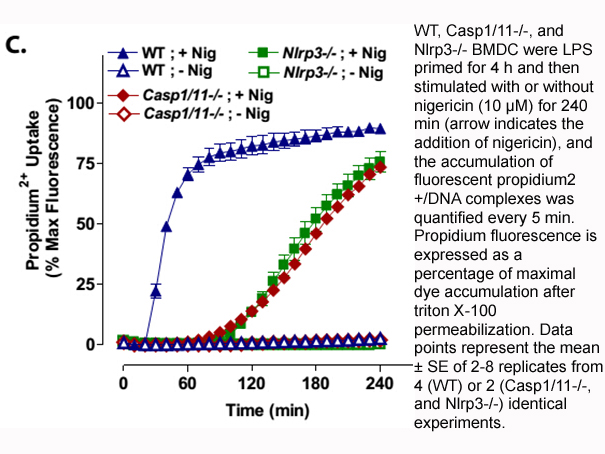
Methimazole Upon LPS stimulation ERK and STAT signaling
2022-09-29

Upon LPS stimulation, ERK and STAT3 signaling pathways were activated in a time-dependent manner, and the phosphorylation of Y705 occurred later than that of S727 (Supplementary Fig. S5B). STAT3 is known to be phosphorylated on serine 727 (S727) by the mitogen-activated protein (MAP) kinase pathway
-
Finally worth of mention are
2022-09-29
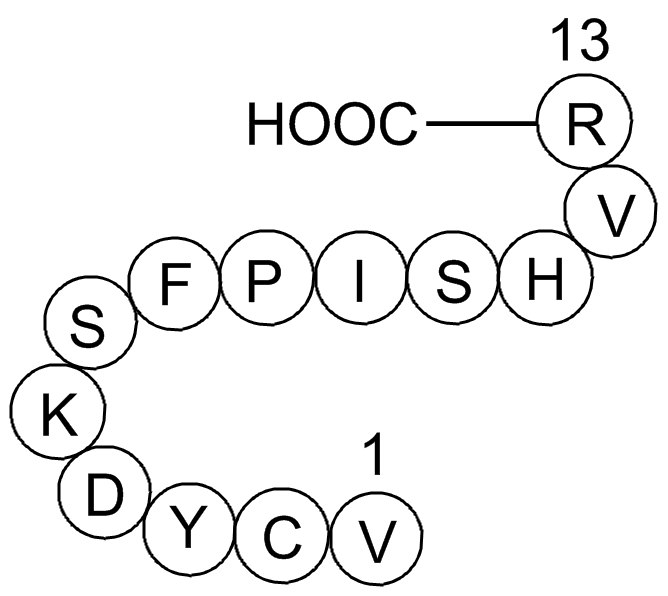
Finally, worth of mention are few papers that report on the discovery of HO-2 selective inhibitors. In 2013, starting from the screening of a AZD-3463 library, the above-mentioned Canadian research group identified Clemizole (Table 6) as a new hit compound for the development of the first series of
-
Benazepril HCl br Acknowledgments br Introduction Liver dise
2022-09-29
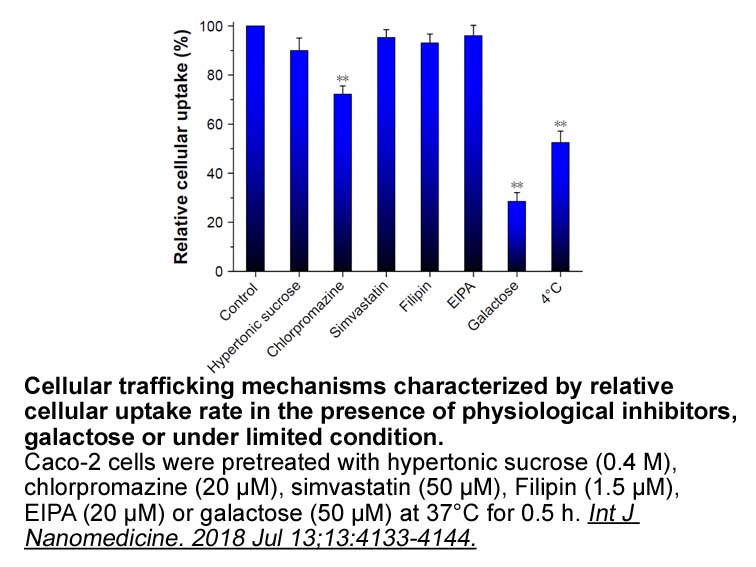
Acknowledgments Introduction Liver disease is one of the leading causes of death worldwide. Death from any type of acute or chronic liver injury results when sufficient healthy hepatic parenchyma cannot be regenerated to perform vital liver-specific functions. Although the regenerative capabil
-
Anti apoptotic Bcl proteins have become
2022-09-29
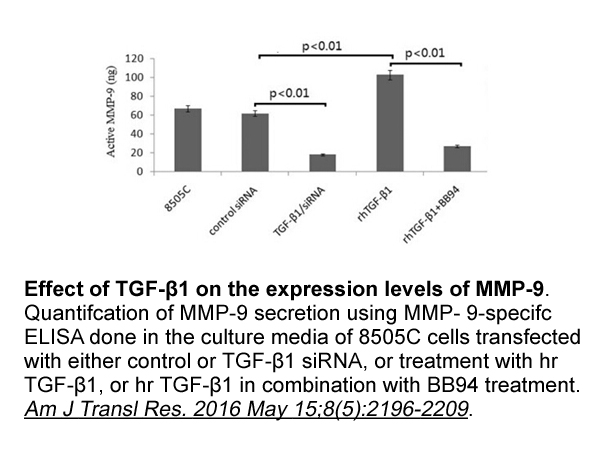
Anti-apoptotic Bcl-2 proteins have become attractive targets for anti-cancer agents development, because they are associated with progression of a wide variety of human cancers., , The small-molecular Bcl-2 inhibitor venetoclax (ABT-199) () has been approved recently for the treatment of patients w
-
Several studies have found that GPR possesses
2022-09-29
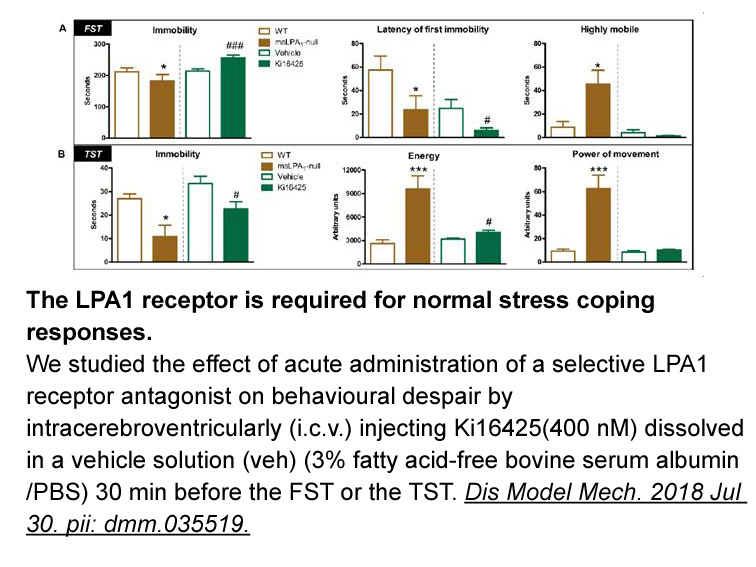
Several studies have found that GPR55 possesses a distinct pharmacology from that of CB1 and CB2, and that only certain cannabinoids act at this receptor. In transfected Fludarabine Phosphate expressing hGPR55, out of more than 20 synthetic and endogenous cannabinoids evaluated, only 2 compounds, S
-
The atherosclerosis development requires additional pro infl
2022-09-29
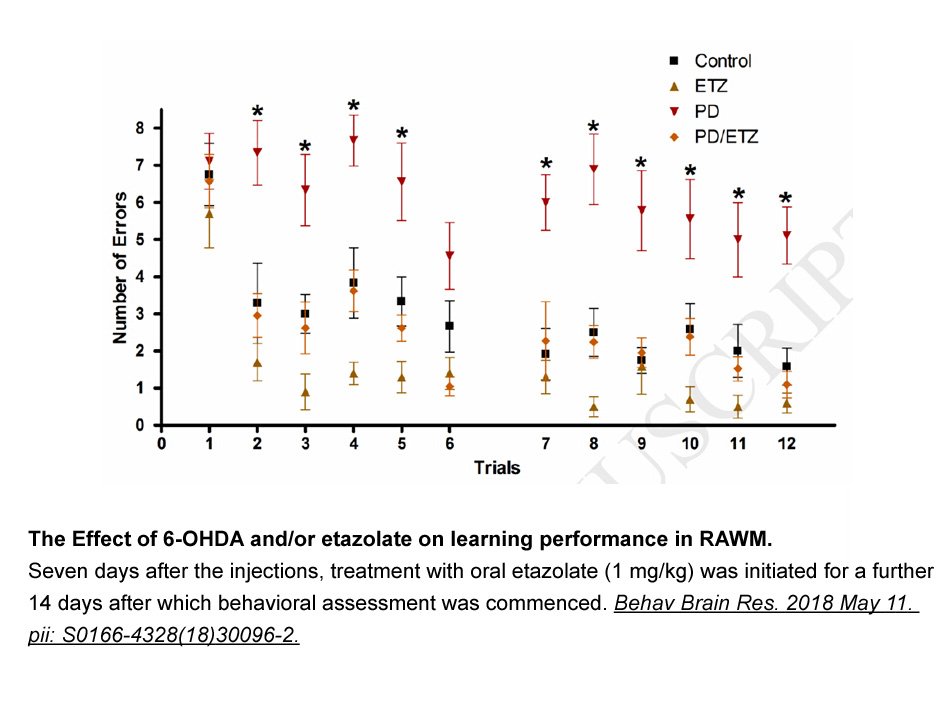
The atherosclerosis development requires additional pro-inflammatory response in the vascular tissue, promoting increased levels of adhesion molecules such as VCAM-1 (vascular cell adhesion molecule-1) and ICAM-1 (intercellular adhesion molecule-1). Cytokines such as TNF-α and IL-1β are able to upre
-
We also investigated fat depots in mesenteric and retroperit
2022-09-29
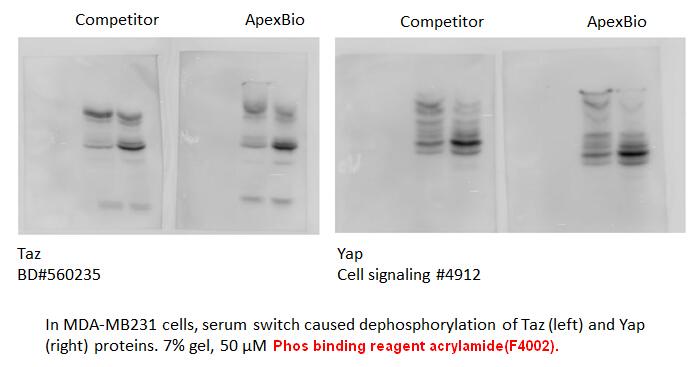
We also investigated fat depots in mesenteric and retroperitoneal adipose tissues as well as in the liver and verified a reduction in lipid droplets following exercise or exercise and FS oil treatments in the liver from obese mice. Potential molecular candidates in the modulation of adipose tissue b
-
br Conclusion br Conflict of interest
2022-09-28
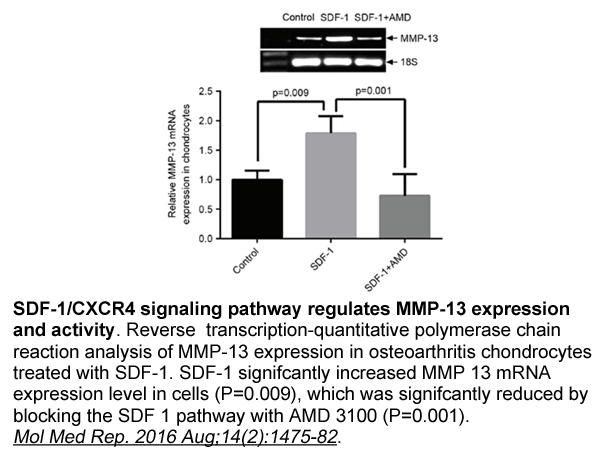
Conclusion Conflict of interest statement Acknowledgements This work was supported by the National Science Foundation (MCB-1817417 to S.D.) and National Institutes of Health (R01-GM72711 to A.C.D.). We thank members of the Delaney laboratory for careful reading of the manuscript and helpfu
-
br Conclusion br Experimental procedures br
2022-09-28

Conclusion Experimental procedures Introduction The glycine receptor (GlyR) is a member of the Cys-loop family of ligand-gated ion channels. It is the primary inhibitory receptor in the brainstem and spinal cord but also plays important roles in higher Meropenem regions, including the hipp
-
Ning et al showed that LPC appeared to increase
2022-09-28
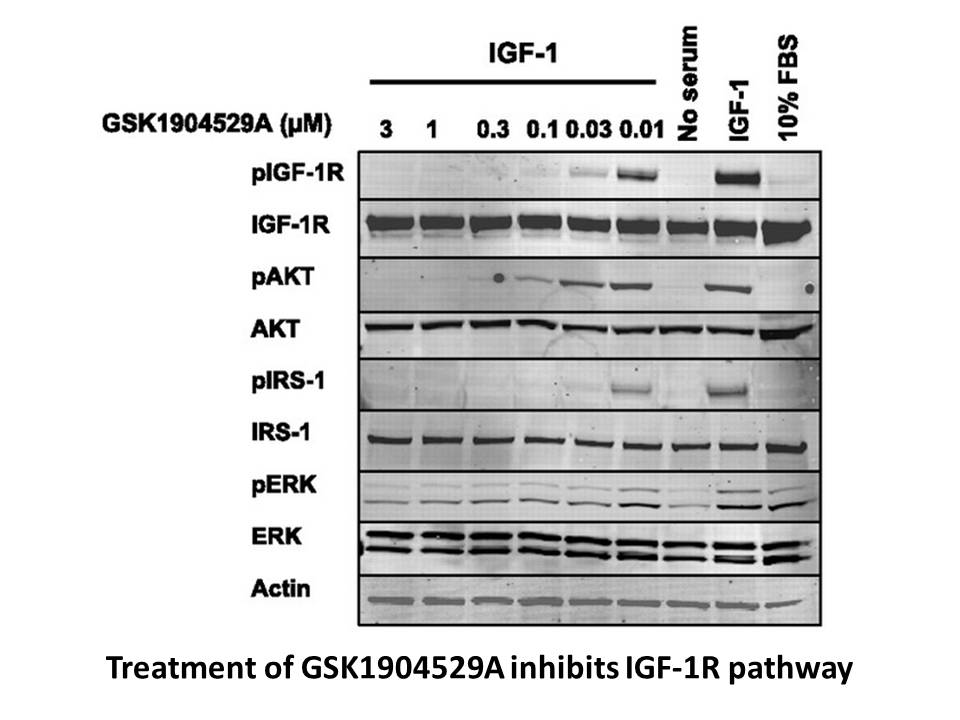
Ning et al. showed that LPC 18:1 appeared to increase insulin release through both GPR119-dependent and -independent mechanisms (Ning et al., 2008). In our study, we have shown that not only GPR119 but also GPR40 and GPR55 participate in LPC-stimulated insulin secretion (Fig. 4, Fig. 5) and target p
-
br Discussion In the present study
2022-09-28
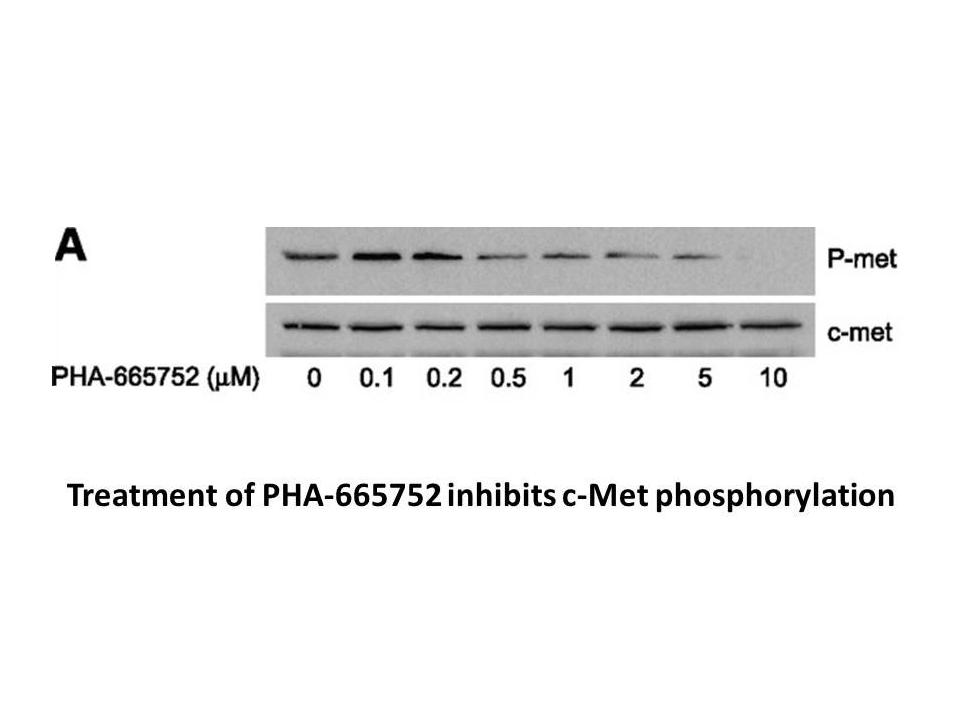
Discussion In the present study, we have demonstrated the effect of a high-fat diet upon wild-type and glut3 pregestational female phenotype and shown that it leads to obesity due to an increase in white adipose tissue contributing to the overall fat mass. Despite this observed obesity along with
-
In fact changes in mitochondrial dynamics directly affects
2022-09-28
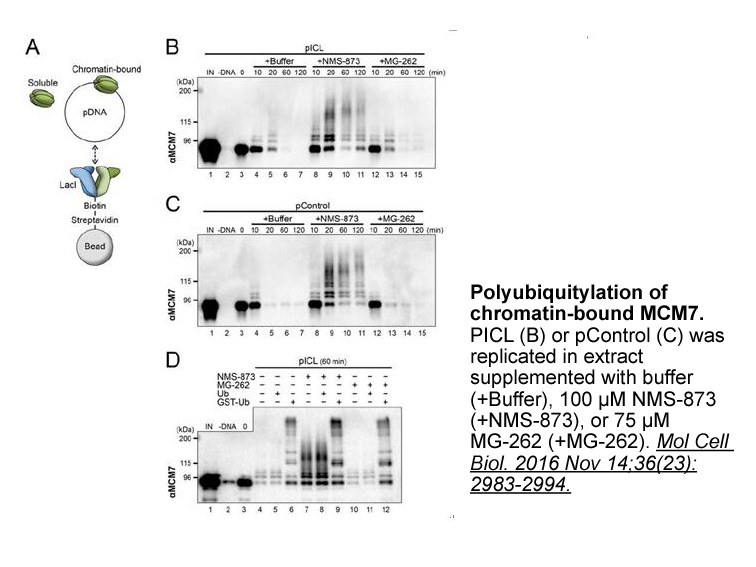
In fact, changes in mitochondrial dynamics directly affects many things including cellular metabolism [127], mitochondrial mass and turnover [128], mitochondrial transport, and calcium buffering [129]. Nigrostriatal DA neurons seem to have a preferential susceptibility to loss of Mfn2 when compared
-
br Conclusions In this study we discovered that
2022-09-27
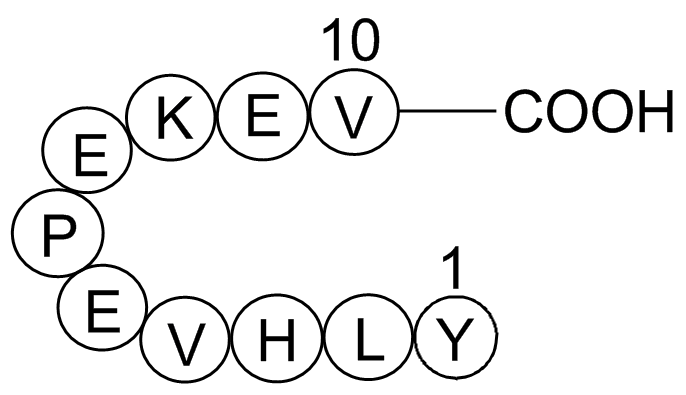
Conclusions In this study, we discovered that the G-quadruplex (Q1) formed by S1 sequence in the upstream region of the transcription start site of c-Myb gene functioned as a positive transcriptional regulator, which was different from the most cases that G-rich sequences functioned to impair the
-
br Conclusions In this study we discovered that
2022-09-27
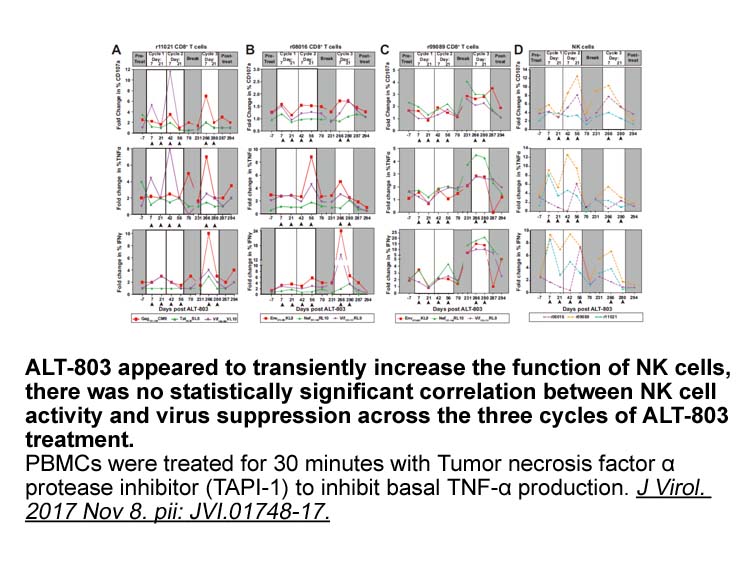
Conclusions In this study, we discovered that the G-quadruplex (Q1) formed by S1 sequence in the upstream region of the transcription start site of c-Myb gene functioned as a positive transcriptional regulator, which was different from the most cases that G-rich sequences functioned to impair the
15202 records 387/1014 page Previous Next First page 上5页 386387388389390 下5页 Last page